
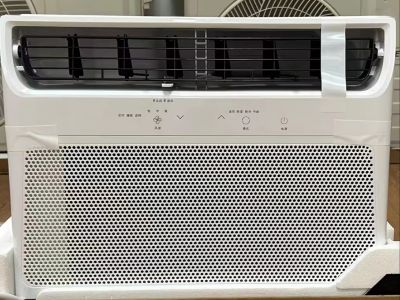
When it comes to keeping a business cool or warm, two common options are mini split systems and central air systems. Both have their own advantages and drawbacks, and understanding these differences can help businesses choose the system that best fits their needs. At DEMEXIRI, we understand how important it is to select the right HVAC system, especially when making smart financial decisions. This article explores the differences between mini split and central air systems and explains how businesses can determine which option offers the best return on investment
What Are Key Differences Between Mini Split and Central Air for Wholesale Buyers
Mini split and central air systems operate in different ways. Central air systems use ductwork to distribute heated or cooled air throughout a building, allowing every room to receive air from a single unit. In contrast, mini split systems do not require ducts. Instead, they use individual indoor units connected to a single outdoor unit, making them easier to install in buildings without existing ductwork. For wholesale buyers, this is an important advantage, especially when serving customers who are renovating or constructing new properties. Mini-split systems are also more energy-efficient because they heat or cool only occupied spaces, whereas central air systems may waste energy conditioning unused areas. Although central air systems often have higher installation costs due to ductwork, mini-splits generally cost less to install but may require multiple indoor units. Understanding these differences helps wholesale buyers recommend the most cost-effective solution for their customers
How to Figure ROI for Mini Split vs Central Air in Your Business
Calculating the return on investment (ROI) for mini split and central air systems and Air to Water Heat Pump involves comparing the initial purchase and installation costs with long-term operating expenses. For example, if a mini split system costs $2,000 to install and saves approximately $300 per year on energy compared to a central air system, it can recover its cost much faster. A central air system that costs $4,000 and saves only $150 annually would take significantly longer to pay for itself through energy savings. Maintenance costs should also be included in the calculation, as mini split systems typically require less maintenance due to their simpler design and the absence of ductwork. By considering installation costs, energy savings, and maintenance expenses together, businesses can make better investment decisions. At DEMEXIRI, we believe this approach helps wholesale buyers recommend the most valuable HVAC solution for every customer
What Are Energy Efficiency Perks of Mini Split Over Central Air
Mini split systems and Duct Type AC are well known for their energy efficiency because they deliver heated or cooled air directly into individual rooms without using ductwork. Unlike central air systems, which can lose a significant amount of conditioned air through leaky or poorly insulated ducts, mini splits minimize energy waste and improve overall performance. They also offer zoning capabilities, allowing users to control the temperature in each room independently instead of conditioning the entire building. This makes them ideal for businesses that only use certain areas throughout the day. In addition, many mini split systems feature high Seasonal Energy Efficiency Ratio (SEER) ratings, helping reduce electricity consumption while maintaining a comfortable indoor environment. Lower energy usage not only reduces utility costs but also decreases environmental impact, making mini splits an attractive option for businesses seeking sustainable HVAC solutions
How to Use Mini Split Systems in Tough HVAC Market
In today's competitive HVAC market, offering mini split systems and Solar AC can help businesses stand out from the competition. As more customers look for energy-efficient heating and cooling solutions, companies like DEMEXIRI can highlight the benefits of mini split systems through marketing materials, social media campaigns, and customer education. Sales teams should also receive proper training so they can confidently explain the advantages, installation process, energy savings, and available models to potential buyers. In addition, offering financing options, seasonal promotions, or installation packages can make mini split systems more affordable and appealing. Partnering with contractors and builders to include mini split systems in residential and commercial projects can also expand business opportunities and increase sales
Where to Get Quality Mini Split and Central Air for Wholesale
Finding reliable suppliers is essential for any HVAC business that wants to offer high-quality mini split and central air systems. Trade shows are an excellent place to meet manufacturers, compare products, and learn about new technologies while discussing features, warranties, and wholesale pricing. Businesses can also research manufacturers online, compare product specifications, read customer reviews, and request samples before placing bulk orders. Building strong relationships with trusted suppliers often leads to better pricing, exclusive offers, and dependable long-term support. Joining HVAC industry associations and networking with professionals can also provide valuable supplier recommendations and market insights. By sourcing quality products from reputable manufacturers, DEMEXIRI can continue providing customers with dependable, energy-efficient heating and cooling solutions.
Table of Contents
- What Are Key Differences Between Mini Split and Central Air for Wholesale Buyers
- How to Figure ROI for Mini Split vs Central Air in Your Business
- What Are Energy Efficiency Perks of Mini Split Over Central Air
- How to Use Mini Split Systems in Tough HVAC Market
- Where to Get Quality Mini Split and Central Air for Wholesale